
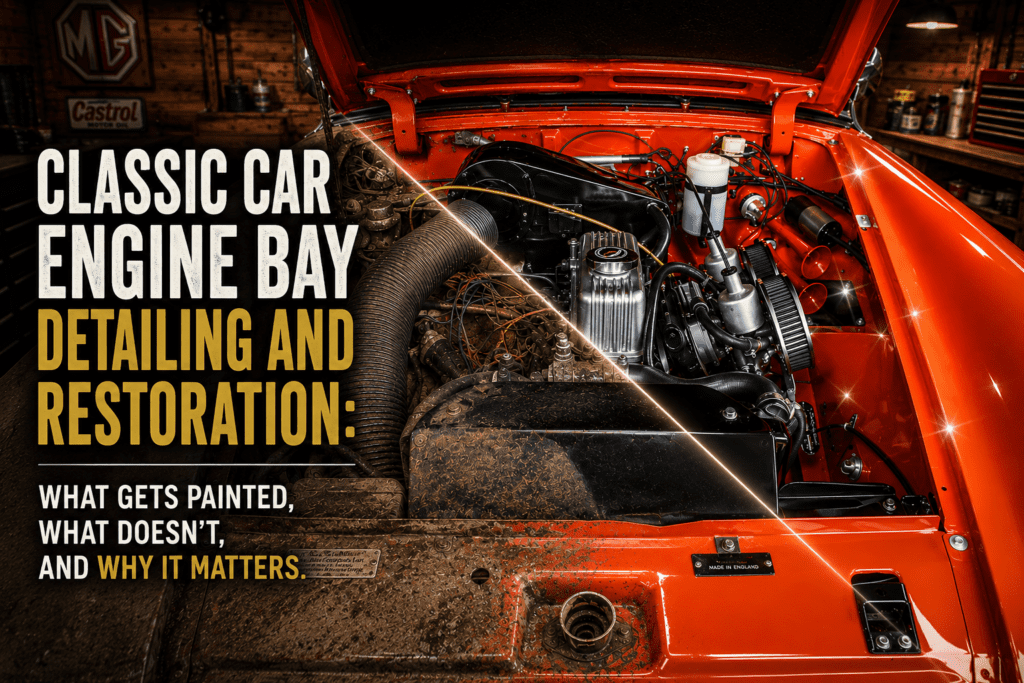
Classic Car Engine Bay Detailing and Restoration: What Gets Painted, What Doesn’t, and Why It Matters
The engine bay on a classic British car tells a story. Unfortunately, on most of the ones that come up […]
The engine bay on a classic British car tells a story. Unfortunately, on most of the ones that come up […]
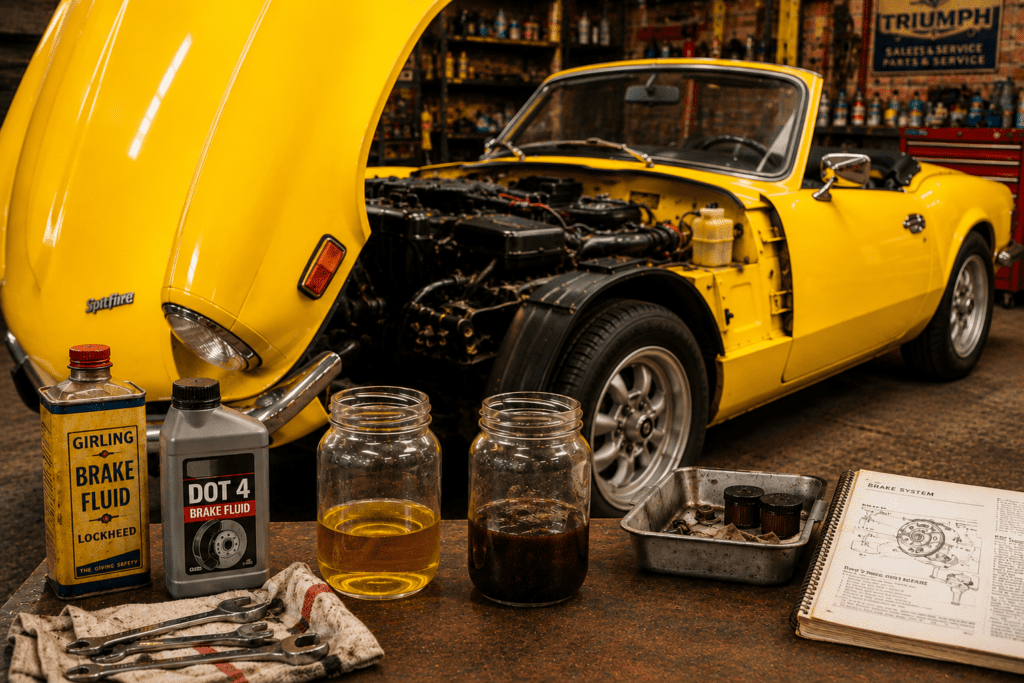
Brake fluid does one job: it transmits the force from your foot, through the master cylinder, through the hydraulic lines,
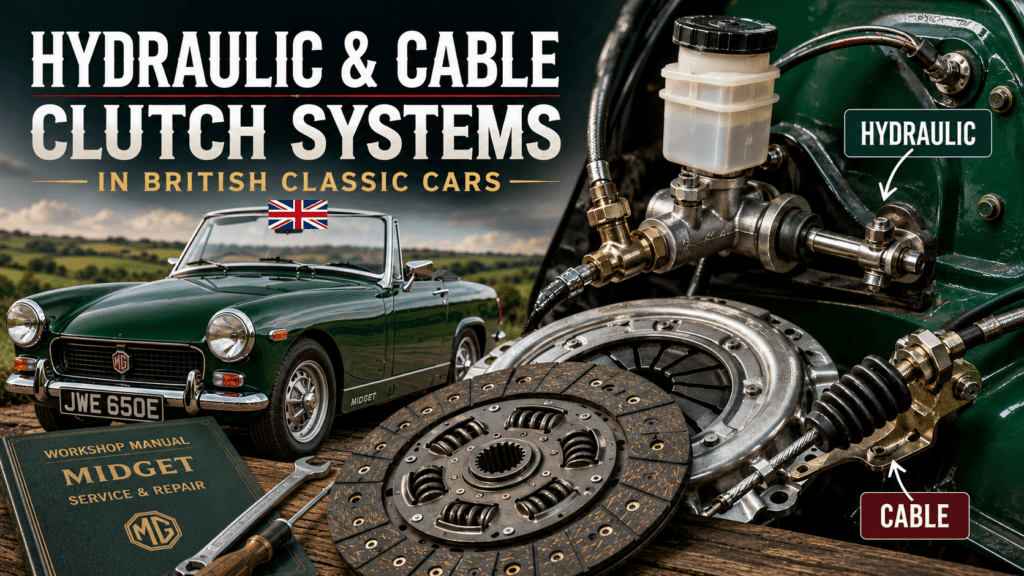
The clutch on a classic British car is one of those components that works without requiring any thought for years,
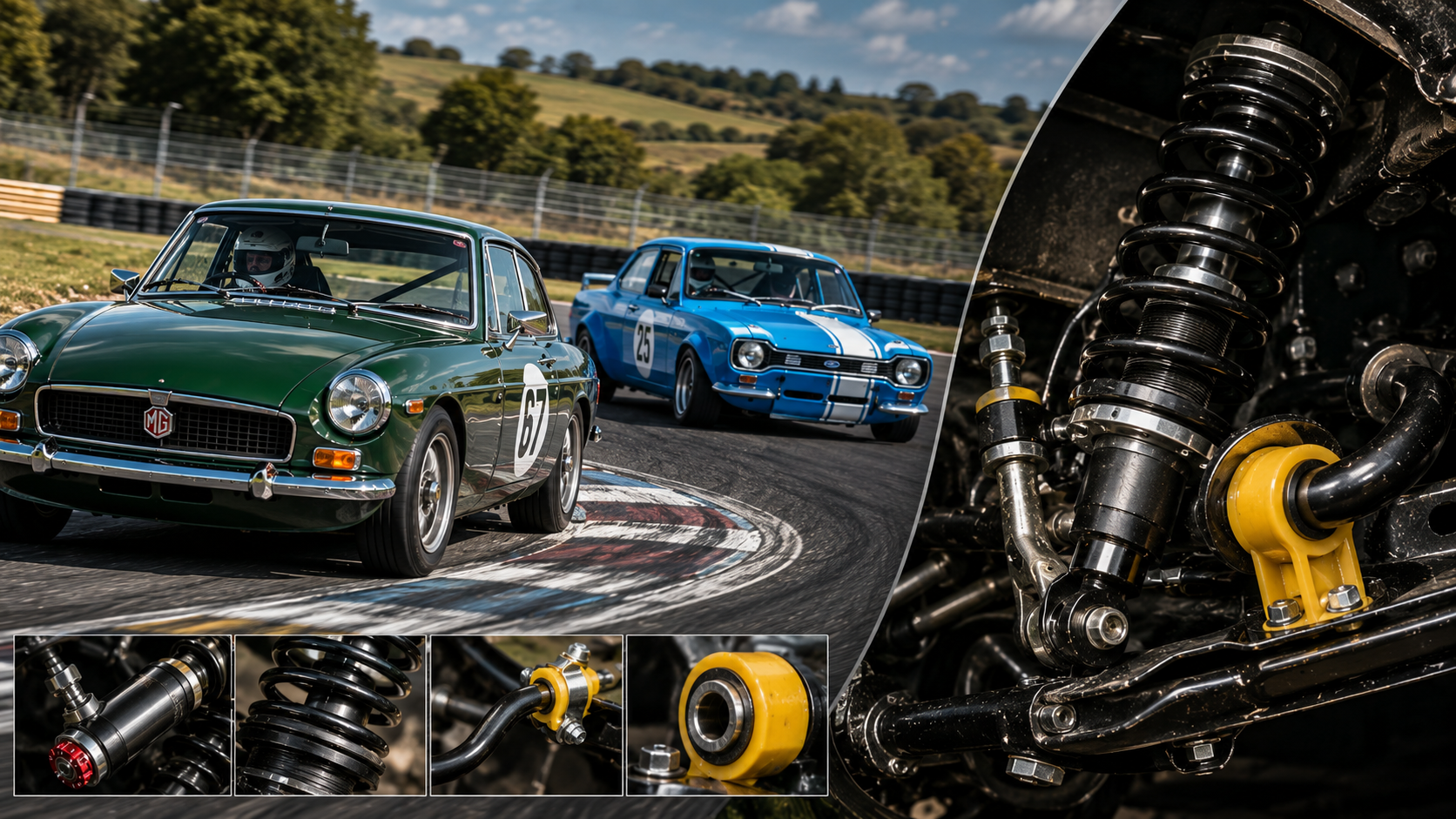
The suspension on a classic British car is one of those things that works better than you expect when it
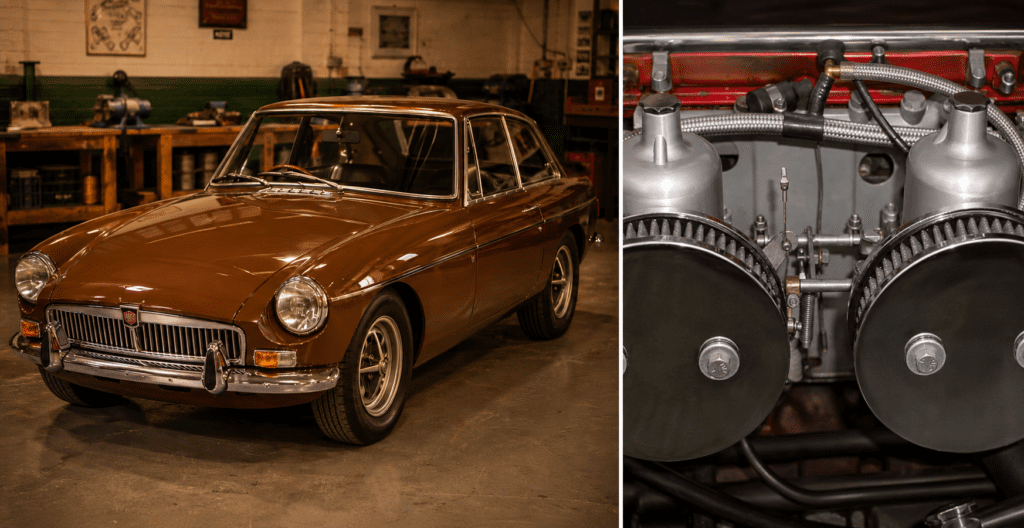
The throttle cable on a classic British car is a component that receives no attention for years, requires no maintenance
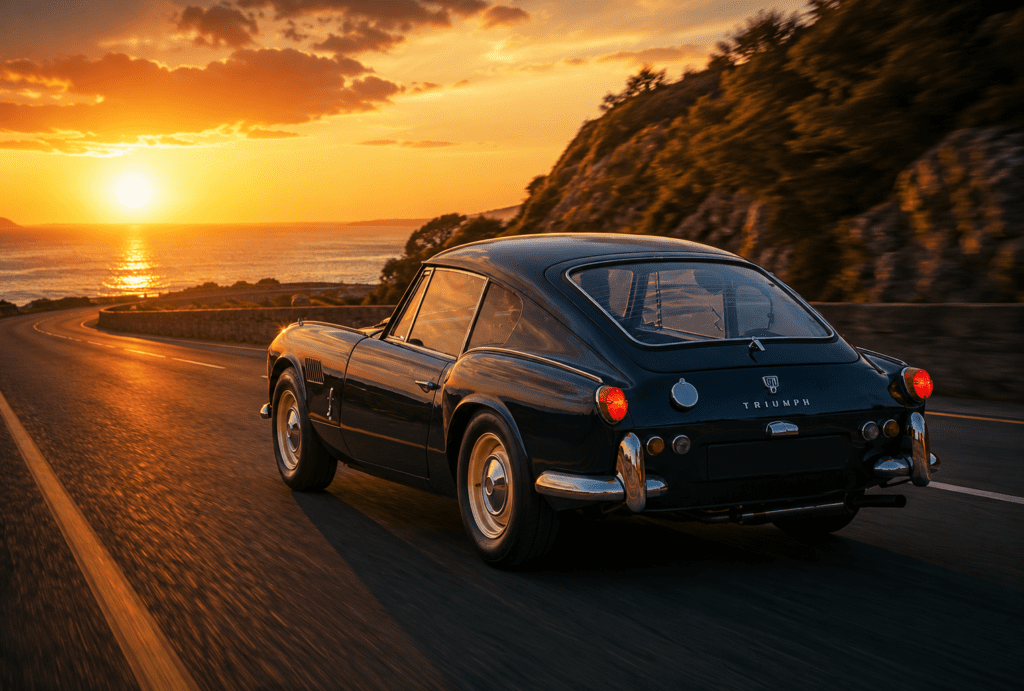
In 1966 Triumph took a Spitfire, fitted a 2.0-litre six-cylinder engine, added a fastback roof, and created a car that

At some point in the ownership of a Triumph TR, an MGB, a Dolomite Sprint, or a Big Healey, someone
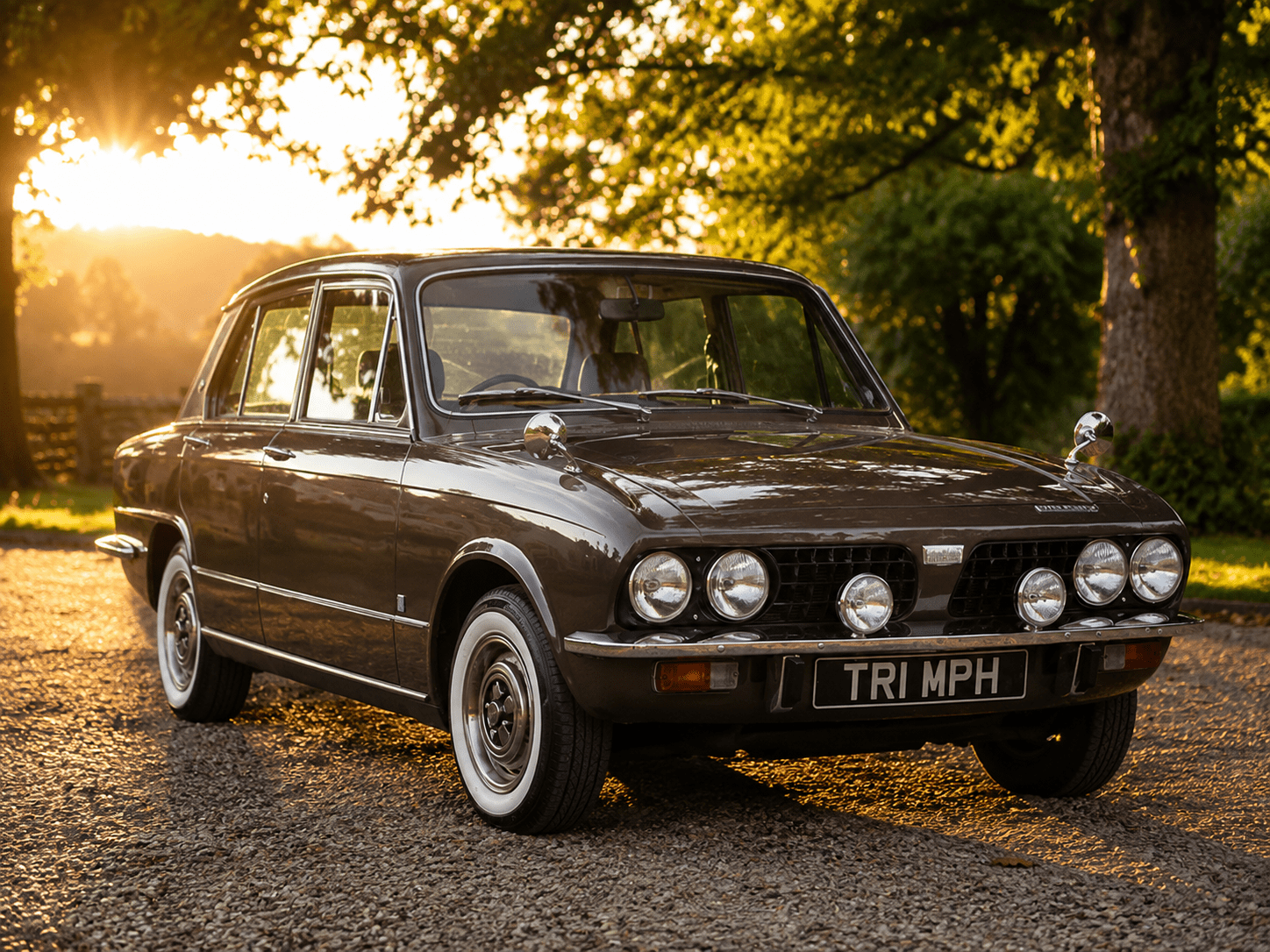
In 1973, Triumph put a 16-valve cylinder head on a 2.0-litre four-cylinder engine, fitted it to a four-door saloon, and
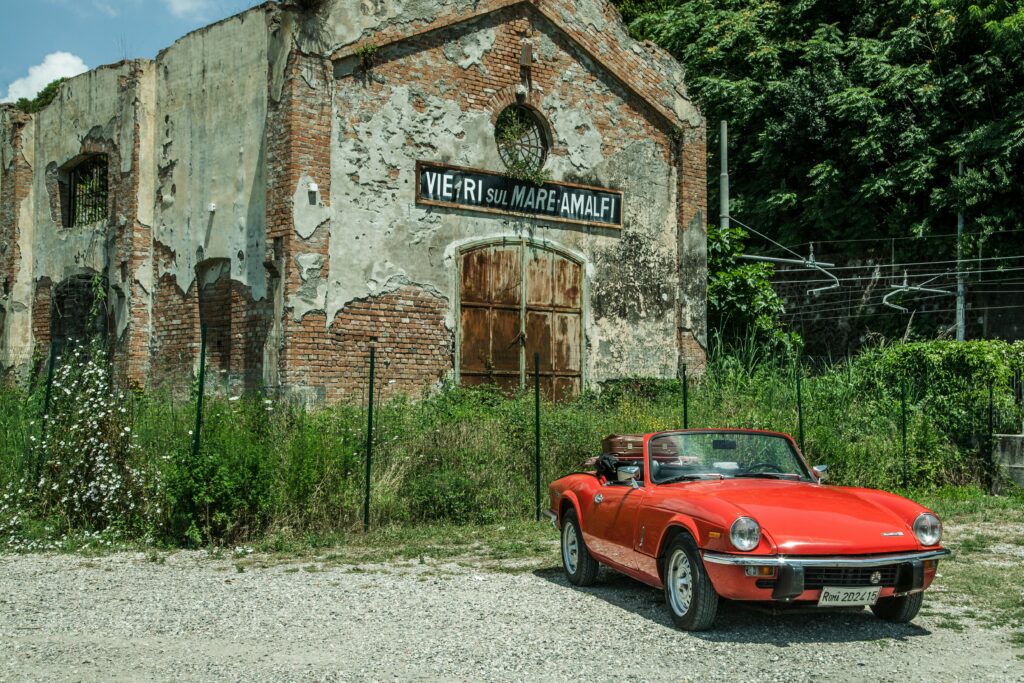
The Triumph Spitfire was produced across five distinct variants over eighteen years, which is a longer and more varied production
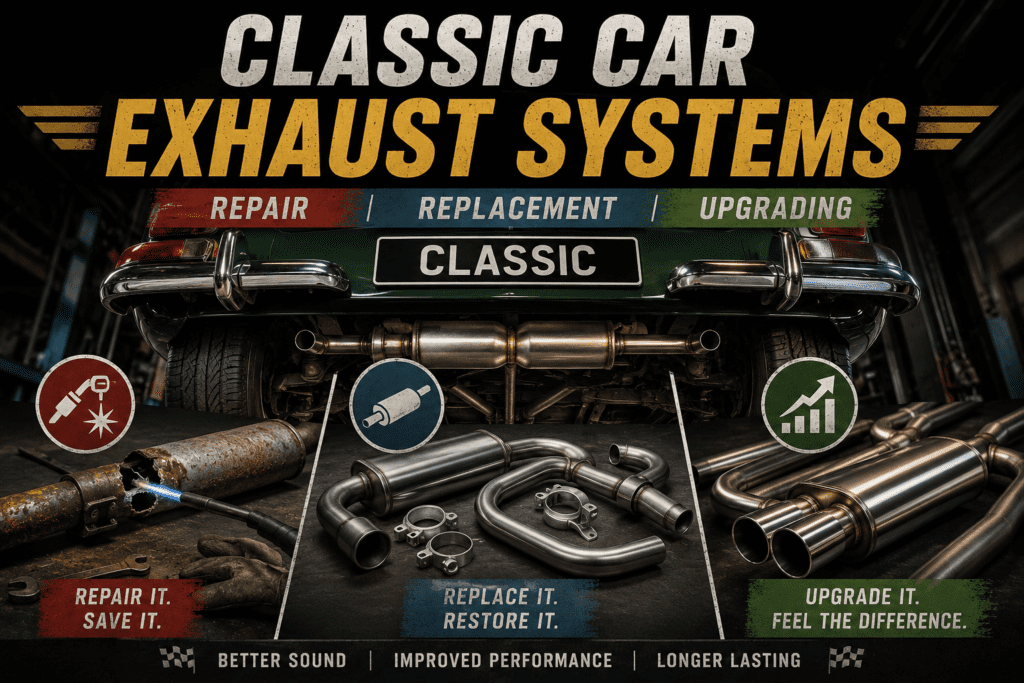
The exhaust system is the most honest component on a classic British car. It makes no attempt to conceal its
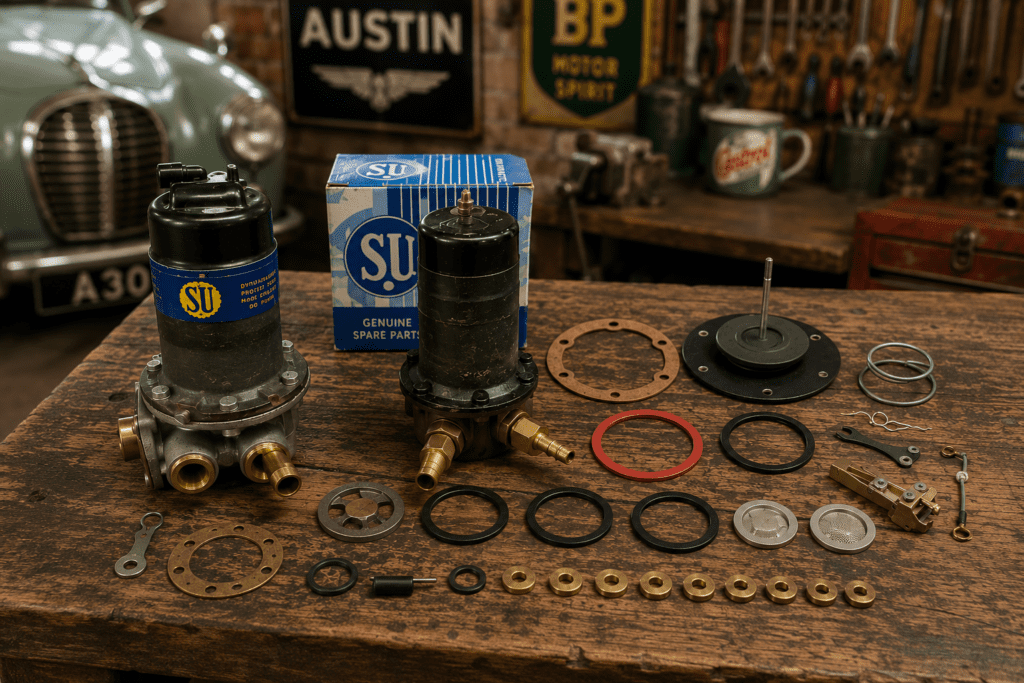
The SU electric fuel pump is one of the most characterful components on a classic British car. It ticks. Rhythmically,
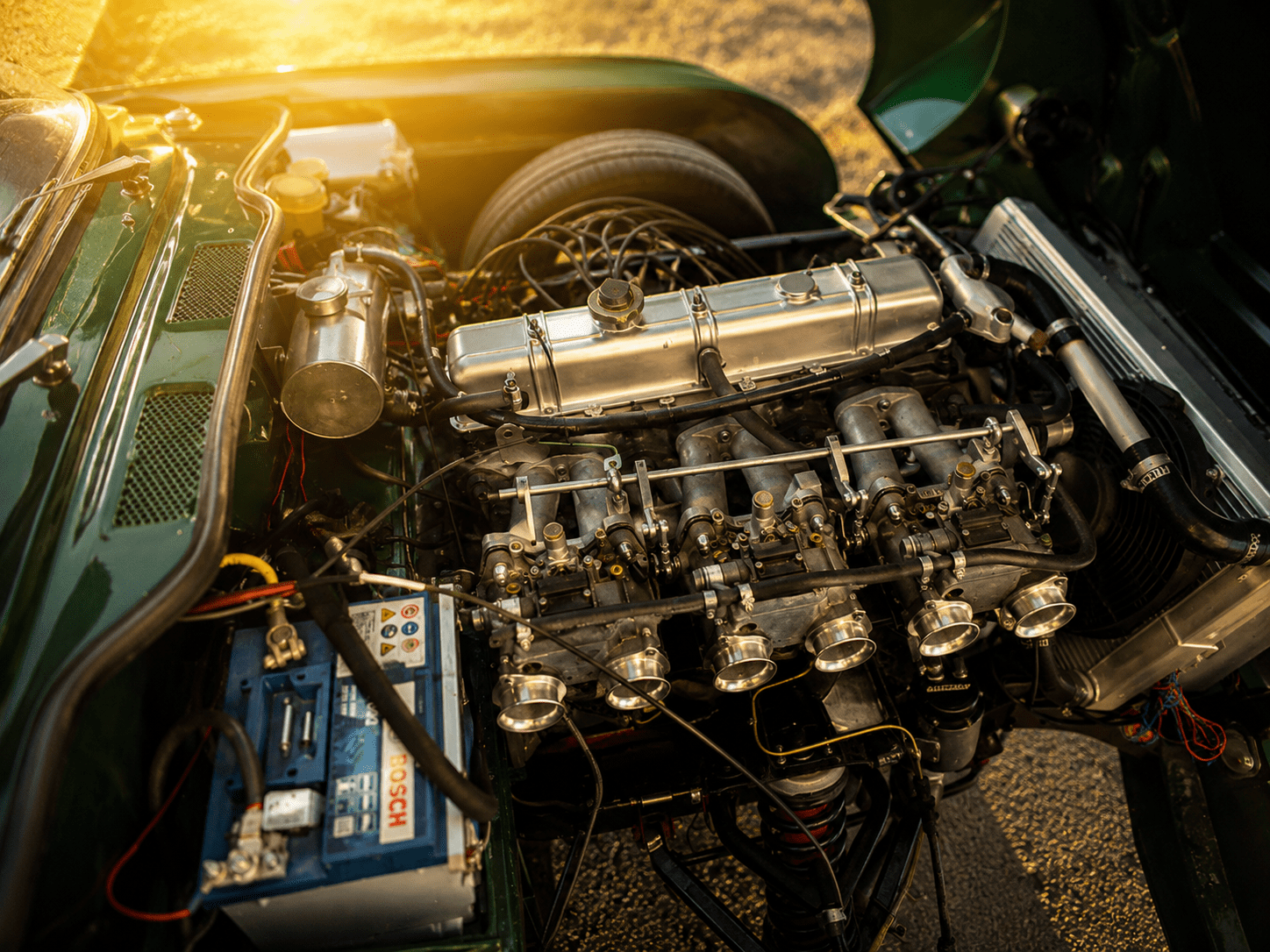
The Dellorto DHLA is, in the words of people who have owned both, either a Weber DCOE with better ideas
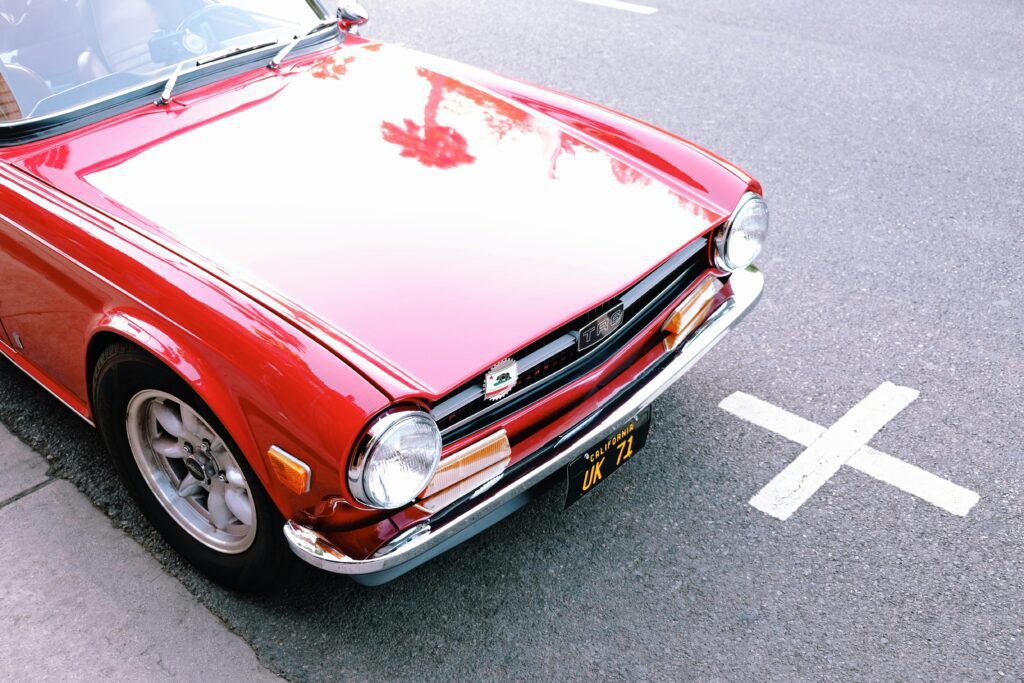
The Triumph TR6 holds a specific place in British sports car history as the last of the traditional TR line:
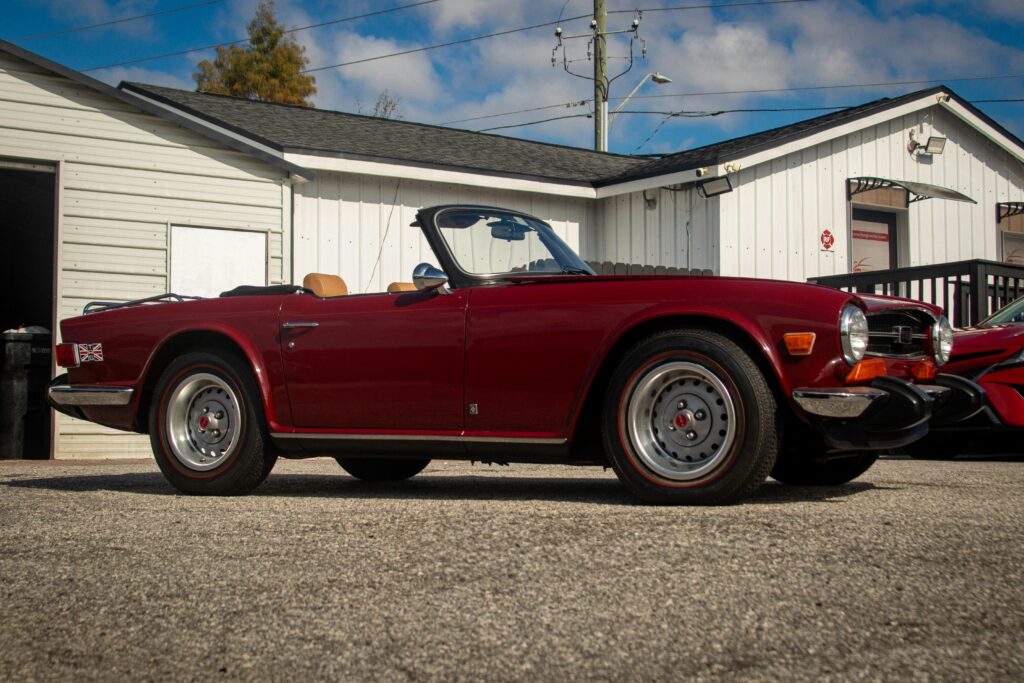
James May once called the Triumph TR6 the blokiest bloke’s car ever built. This is not an insult. It is

In October 1948, a group of American motorsport enthusiasts organised what is widely considered the first post-war road race on