
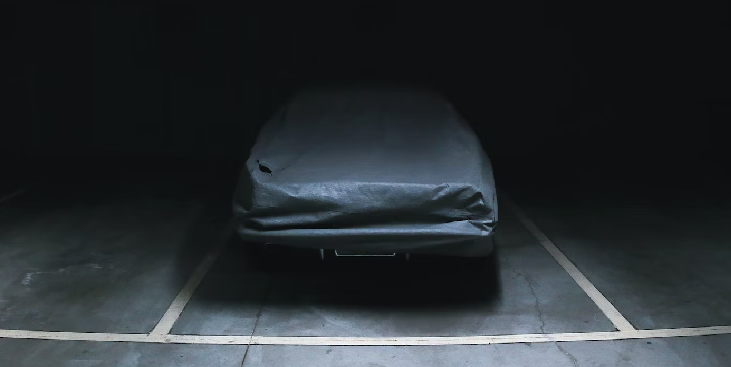
Every spring the same thing happens. The cover comes off, the battery gets reconnected, and the temptation is to just fire it up and head out. Resist that. A classic that has been sitting for several months deserves at least an hours attention before it goes back on the road, and this checklist will make sure you don’t miss anything important. MOT exempt or not, this is your car and your responsibility.
Registration and Identification
Make sure your number plates are correct for the year of the car, properly secured, and readable. Cars registered before 1973 can run the classic black and silver plates, which always look right. Check your VIN or chassis plate is present and legible. Its a small thing but worth confirming before anything else.
Steering and Suspension
The steering should move smoothly with no clunks, no stiffness and no alarming amounts of free play. Some classics have a little tolerance built in, but anything excessive is worth sorting before you get on a fast road. If the car has a steering box, check the adjustment. Jack up each corner and rock the wheel to check the bearings, too much movement means they need attention. Bounce each corner by hand, the car should settle in one or two movements, not carry on bobbing like its enjoying itself.
Lighting and Electrics
Go round the whole car methodically. Headlights on main and dipped beam, sidelights, indicators front and rear, hazard lights, reverse lights, brake lights, number plate lamp. Check for flickering or dim bulbs, both are worth fixing before they fail completely. The horn should work clearly and confidently. If its sounding a bit feeble, check the terminals and the wiring. A hesitant horn has never helped anyone.
Structural and Bodywork
Rust is the permanent companion of classic car ownership. Surface rust on a panel is rarely critical, but anything that affects structural areas needs proper attention. Check the sills carefully, they carry a lot of the cars strength on most monocoques. Check the floor pans, inner wings, suspension mounts, and the seat belt anchorage points. If you have a separate chassis, make sure the body is properly bolted down. Also look for sharp edges around wheel arches or at the bottom of doors, these are both a safety issue and technically illegal even on old cars.
Doors, Bonnet and Boot
All doors should open from both inside and outside without forcing. The bonnet catch should release smoothly and lock down with a satisfying click. Check the safety catch too while your at it. A bonnet that lifts at speed is genuinely dangerous. Same goes for the boot lid, make sure it latches properly.
Brakes and Hydraulic Systems
The brakes are not optional. Jack up each wheel and check nothing is binding or dragging. Look carefully around the brake cylinders, master cylinder, flexible hoses, and calipers for any sign of fluid weeping. If the brake shoes or pads are wet with fluid they will need replacing before the car moves under its own power. Check the clutch master cylinder too while the bonnet is up. Inspect the brake pipes and fuel lines for corrosion, cracks, or chafing. Flexible hoses should feel firm, not soft or ballooned.
Fuel System and Exhaust
Run your eye along the fuel lines looking for any splits, cracks or signs of chafing where the line runs close to the bodywork. Check that the exhaust is properly supported and not blowing. Once the engine is warm, the exhaust should be relatively clean. Blue smoke on startup can be oil burning off a cold engine, if it continues once warm that is a different conversation entirely.
Visibility: Glass and Wipers
Inspect the windscreen for chips and cracks, particularly in the drivers line of sight. Many insurers will repair chips for free so its worth checking your policy. Test the wipers and washers. Old wiper blades that smear rather than clear are cheap to replace and make a real difference on a wet road. Replace them if they leave streaks.
Tyres and Wheels
Tyres need legal tread depth, but more importantly for a classic that sits unused over winter, look for cracking and perishing in the sidewalls and around the tread. Age degrades rubber long before wear does on a low mileage car. Check the pressures against the handbook, they will almost certainly have dropped over winter. Make sure the wheels are sound and the wheel nuts are properly tightened.
Fluids
Before the first start, check the engine oil level and condition. If the oil looks thin, dark or smells burnt from last season, change it now. Check the coolant level and concentration using an antifreeze tester, these are cheap and worth having. Check brake fluid, clutch fluid if applicable, and gearbox and differential oil if the car has separate reservoirs.
The 1st Start
Crank the engine briefly, with the ignition disconnected to build oil pressure before the first proper start. Then start it normally and let it warm up from cold without revving it. Listen for anything unusual. Watch the temperature gauge. Check underneath for any drips once the engine is warm. A slow deliberate first start tells you a lot about what the winter may have done.
One Last Thing
Classic car insurance is worth reviewing at the start of every season too, not just the car itself. Agreed value policies, limited mileage deals, and specialist classic insurers can make a significant difference to what you pay compared to a standard policy.
This article contains affiliate links. If you click through and make a purchase we may earn a small commission, at no extra cost to you.
None of this takes more than a couple of hours, and most of it costs nothing but attention. A car that has been properly checked over at the start of the season is a car you can enjoy without nagging doubts every time you set off. Which is the whole point, really.
- British Classics Around the World: What Eleven Countries Taught Us
- Classic Car Exhaust Smoke: What Is Normal, What Is Not, and What It Tells You
- Lotus Cortina Buyers Guide: Mk1 and Mk2, and How Not to Buy a Fake
- 5-Speed Gearbox Conversion: Is the Ford Type 9 Still Worth It?
- Gordon-Keeble GK1 Paint Codes: The Colours Lost to Time
This page contains affiliate links. If you click a link and make a purchase, Classic Car Hub may earn a small commission at no extra cost to you.