
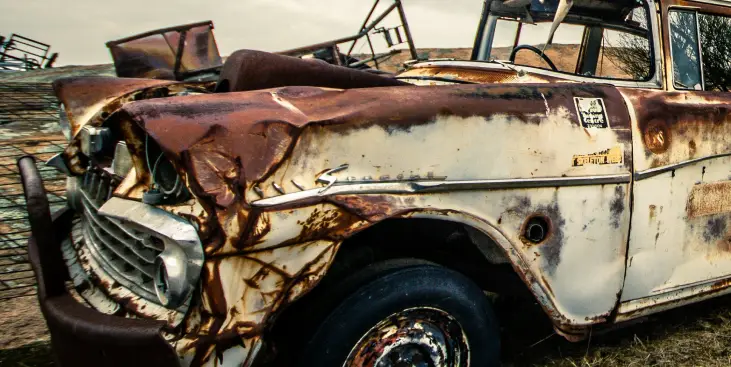
Whatever you call it. Tin worm, iron oxide, the dreaded rot. Rust is the one thing every classic car owner has in common, and if you own something with a British Leyland badge there is a reasonable chance its already winning. The good news is that rust is largely preventable, and catching it early makes an enormous difference to both the cost and the effort involved in dealing with it.
Prevention versus cure
Prevention is always the better option, although it does assume your car is reasonably rust free to begin with. If you are in the middle of a restoration, prevention should be on your mind from day one. Any bare steel needs a zinc rich primer before anything else goes on top. Zinc wraps the metal in a sacrificial protective layer that keeps rust from taking hold even if the topcoat gets damaged. Sealing weld seams properly is equally important, rust loves nothing more than a poorly sealed joint where moisture can sneak in and sit undisturbed.
Where rust hides on classic cars
Most rust on classics forms in places you cant easily see. By the time its visible on the surface, it has usually been working away underneath for some time. The areas that need regular attention are:
- Sills, both outer and inner
- Floor pans and footwells
- Wheel arches, especially behind the inner arch liner
- Inside the doors, particularly at the bottom where water sits
- The leading edge of the bonnet
- Chassis outriggers and crossmembers on separate chassis cars
- Around the boot floor and spare wheel well
- Any spot where two pieces of metal overlap and water can become trapped
Get into the habit of checking these areas at least once a year. A torch and a screwdriver are all you need. Probe any suspicious areas gently. Solid metal makes a dull thud. Rusty metal makes a crunch you will recognise immediately and wish you hadnt.
Rust treatment products
Converters and neutralisers
Rust converters work by reacting with iron oxide and converting it into a more stable compound that stops oxygen and moisture reaching the metal underneath. They are useful but not infallible. If the rust is pitted, flaky, or in an area you cant reach properly, converters will only treat the surface you can get to. Miss even a small area and the rust continues underneath your lovely black coating without you knowing. Always prepare the surface as thoroughly as possible before applying any converter.
Cavity wax and underbody sealants
For hollow sections like sills, door bottoms and chassis rails, cavity wax injected through drain holes is extremely effective. Dinitrol, Bilt Hamber and Waxoyl are all widely used in the classic car world. Each has its advocates. The important thing is to actually use one of them rather than debating which is best for another three years while the sills quietly disappear. Underbody sealants applied to the floor, wheel arches and chassis provide a physical barrier against moisture and road debris. Apply them to clean, dry, treated metal for best results.
Zinc rich primers
Whenever bare metal is exposed, whether from accident damage, welding, or grinding back rust, a zinc rich primer should be the first thing on it. Cold galvanising compounds like those from Bilt Hamber are particularly good and widely available. Do not skip this step in favour of going straight to filler or topcoat. It will cost you later.
Keeping on top of it
Rust prevention is not a one-off job. It needs to be part of your regular maintenance routine. A few habits that make a real difference:
- Wash the car after winter driving, particularly underneath, to remove road salt
- Touch in stone chips promptly before they start to corrode
- Check door and boot seals regularly, failed seals let water in and give it nowhere to go
- Keep drain holes in doors and sills clear so water can escape rather than sit
- Re-apply cavity wax every few years, it does dry out over time
- Store the car off the ground on axle stands if possible during long lay-ups
When its already taken hold
Surface rust on a panel is annoying but rarely structural. It can often be treated and painted successfully with the right preparation. Rust that has penetrated through the metal is a different matter entirely and usually means welding in new metal. There is no product that will fix a hole in a sill. If you find serious rust in a structural area, get it assessed by a bodywork specialist before you decide whether to tackle it yourself. The cost of getting it wrong is considerably higher than the cost of getting a proper opinion first.
The classic car community has a saying that there is no such thing as a rust free classic, only classics where the rust hasnt been found yet. That is probably true. But there is a significant difference between a car with minor surface corrosion being actively managed, and one that has been left to quietly dissolve. A little attention every year keeps your classic solid, keeps its value up, and keeps the restoration bills from becoming truly frightening.
This page contains affiliate links. If you click a link and make a purchase, Classic Car Hub may earn a small commission at no extra cost to you.