
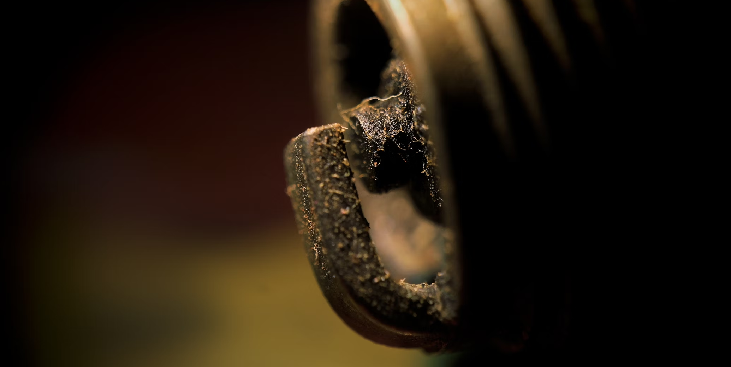
A spark plug is a small thing but it tells you a remarkable amount about what is happening inside your engine. Most people pull them out, have a vague look, put new ones in and move on. But if you know what you are looking at, a set of old plugs can diagnose problems that would otherwise take hours to track down. Here is what to look for.
What a healthy plug looks like
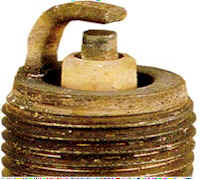
A plug in good condition will have light tan or greyish brown deposits on the insulator tip and minimal electrode wear. The colour tells you the engine is running at the right temperature with a correct mixture. If all your plugs look like this, the engine is in good shape and the plugs are in the right heat range. Clean them up, check the gap, and refit or replace on schedule.
What the colours and conditions mean
Black and sooty deposits
Soft black sooty deposits on the insulator indicate a rich mixture. Too much fuel, not enough air. Check for a sticking choke, a blocked air filter, or a carburettor problem such as a high float level or worn needle. Weak ignition voltage can also cause this, so check points, condenser, and HT leads if the fuel system checks out.
Wet and oily
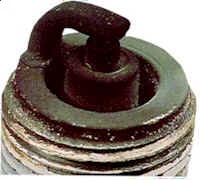
Oil fouling leaves the plug wet and black with a distinctly oily feel. Too much oil is getting into the combustion chamber. Common causes are worn piston rings, worn valve stem guides, or excessive crankcase pressure from a blocked breather. If only one or two plugs are affected, focus on those cylinders specifically. If all plugs are oily, the engine needs more serious attention.
White or blistered insulator
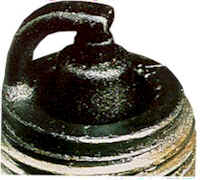
A clean white or blistered insulator with heavily eroded electrodes means the plug is overheating. Causes include ignition timing advanced too far, a very lean mixture, poor cooling system efficiency, or the plug simply being in the wrong heat range for the engine. An overheating plug can cause pre-ignition, which is genuinely destructive to pistons and bearings. Do not ignore this one.
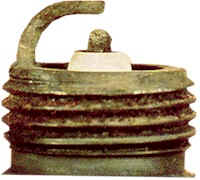
Glazed yellow deposits
A yellowish glaze on the insulator means the plug temperature rose suddenly during hard acceleration, melting normal combustion deposits onto the insulator surface. The glaze is conductive and causes misfires. Usually indicates the engine is being worked hard before it is properly warmed up, or the plug heat range is slightly too cold for the application.
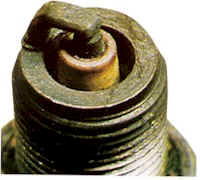
Broken or chipped insulator
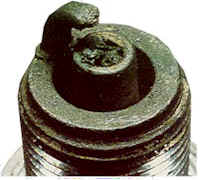
Physical damage to the insulator nose usually means a foreign object has entered the combustion chamber, or the piston is touching the plug because the reach is wrong for the engine. Check the other cylinders immediately. A small fragment of metal can travel between cylinders on engines with significant valve overlap. Also verify you have the correct plug specification for the engine.
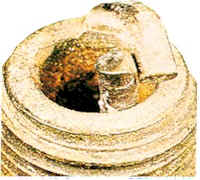
Worn electrodes
A plug that is simply worn will have a rounded centre electrode and heavily eroded side electrode. The firing voltage required increases as the gap grows, eventually leading to misfires under load. If the plugs look otherwise healthy but the electrodes are worn, the engine is fine but the plugs have simply reached the end of their service life. Replace them.
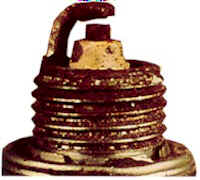
Detonation damage
Detonation, also called pinking or knocking, fractures the insulator nose and leaves a rough, sandblasted appearance on the electrodes. Causes include ignition timing too far advanced, fuel with insufficient octane rating, or a lean mixture. Classic engines running on modern unleaded fuel can be prone to this if the ignition timing has not been adjusted to suit.
Checking and setting the gap
Always check the plug gap before fitting, even on brand new plugs. Gaps can be wrong from the factory. Use a feeler gauge rather than a wire gauge for accuracy. Consult the workshop manual for the correct gap for your engine. On most classic British engines this is typically between 0.025 and 0.030 inches, but check the specification rather than guessing.
Adjust the gap by bending the side electrode only. Never bend or apply pressure to the centre electrode or insulator.
Choosing the right plug
Stick to the manufacturer specification for heat range and reach. The heat range determines how quickly the plug dissipates heat. Too cold and it fouls. Too hot and it overheats. If the engine has been modified, particularly if compression has been increased or the car is used for competition, the heat range may need to be reviewed. NGK, Champion and Bosch all make plugs suitable for most classic British engines and are widely available.
How often to change them
On a classic used for weekend and summer driving, inspect the plugs at least once a season and replace them every two to three years as a minimum, regardless of condition. Old plugs can look acceptable but have internal faults that are not visible. New plugs are inexpensive insurance against a misfire on a summer Sunday.
Spark plugs take five minutes to read properly and the information they give you is genuinely valuable. Make checking them part of your regular maintenance routine rather than an afterthought. They are one of the few engine components that will show you exactly what is happening inside the combustion chamber without you having to take anything apart.
This page contains affiliate links. If you click a link and make a purchase, Classic Car Hub may earn a small commission at no extra cost to you.